


Here’s what you need to know to stay ahead of the omega-3 game
Your body is constantly communicating with you. Stiff joints in the morning. Slower recovery after workouts. Signals that may seem unrelated, yet often point to the same underlying issue: how well your body manages inflammation and supports normal cellular function.
At the same time, contradictory headlines about heart health have created confusion around the role of omega-3s in cardiovascular health—leaving many unsure what to believe.
At the center of this conversation are omega-3 fatty acids, but one critical detail is often overlooked: omega-3 only works when it is fresh, properly dosed, and used consistently. Without these fundamentals, results can fall short.
This guide connects the dots between joint comfort, training performance, and heart health—cutting through the noise to separate evidence-based facts from fiction.
Your Joints Are Talking. Would You Pass the “Rust Test”?
If your joints feel stiff when you wake up or after sitting still, that “rusty” sensation isn’t just about age. It’s often linked to low-grade, chronic inflammation.
Omega-3 fatty acids — especially EPA and DHA — are essential components of cell membranes and play a role in regulating inflammatory signaling. When intake is low, joints may become more sensitive to daily stress and physical load.
Research consistently links adequate omega-3 intake with improved joint comfort and mobility, particularly in active adults and aging populations. Rather than masking discomfort, omega-3 works quietly at the cellular level, supporting long-term joint resilience.
In short, stiff joints aren’t just a mechanical issue — they’re a nutritional signal.
Is Your Lifestyle Working Against Your Collagen? Let’s Uncover What Most People Miss.
Many people invest in premium skincare products yet unknowingly follow daily habits that work against collagen.
Collagen naturally declines with age, but lifestyle factors can accelerate this process. Chronic stress, poor sleep, excess sugar intake, smoking, and frequent alcohol consumption can all interfere with the body’s ability to maintain healthy collagen levels.
Even dehydration and inconsistent nutrition can affect how well collagen is supported in the skin and connective tissues. This is why skin may appear dull, less firm, or slower to recover — even with a solid beauty routine.
The overlooked reality: collagen loss isn’t only about time passing. It’s also about how we live.
Is Your Omega-3 Fresh Enough? And Are You Using It the Right Way?
Here’s an uncomfortable truth: many people take omega-3 without ever benefiting from it.
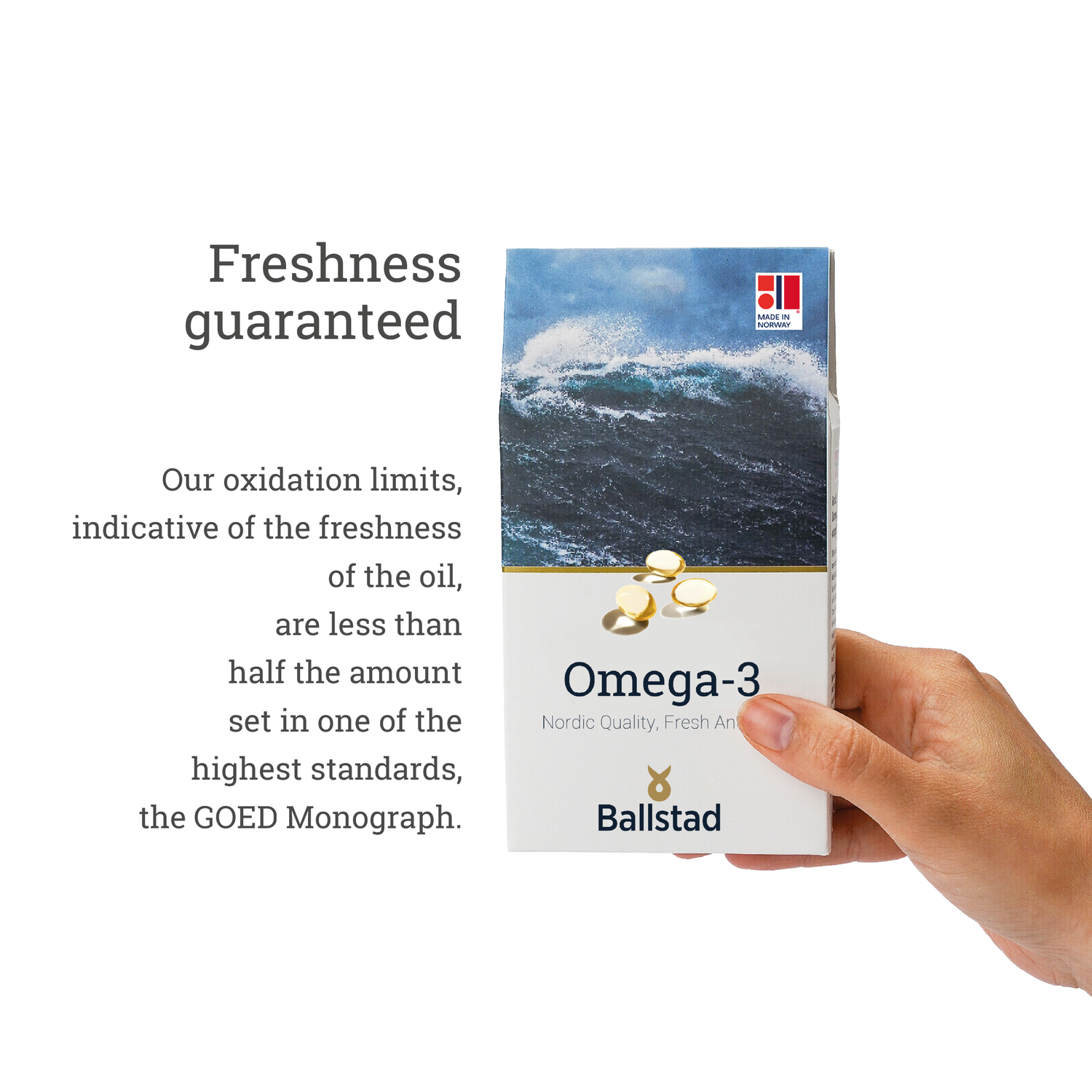
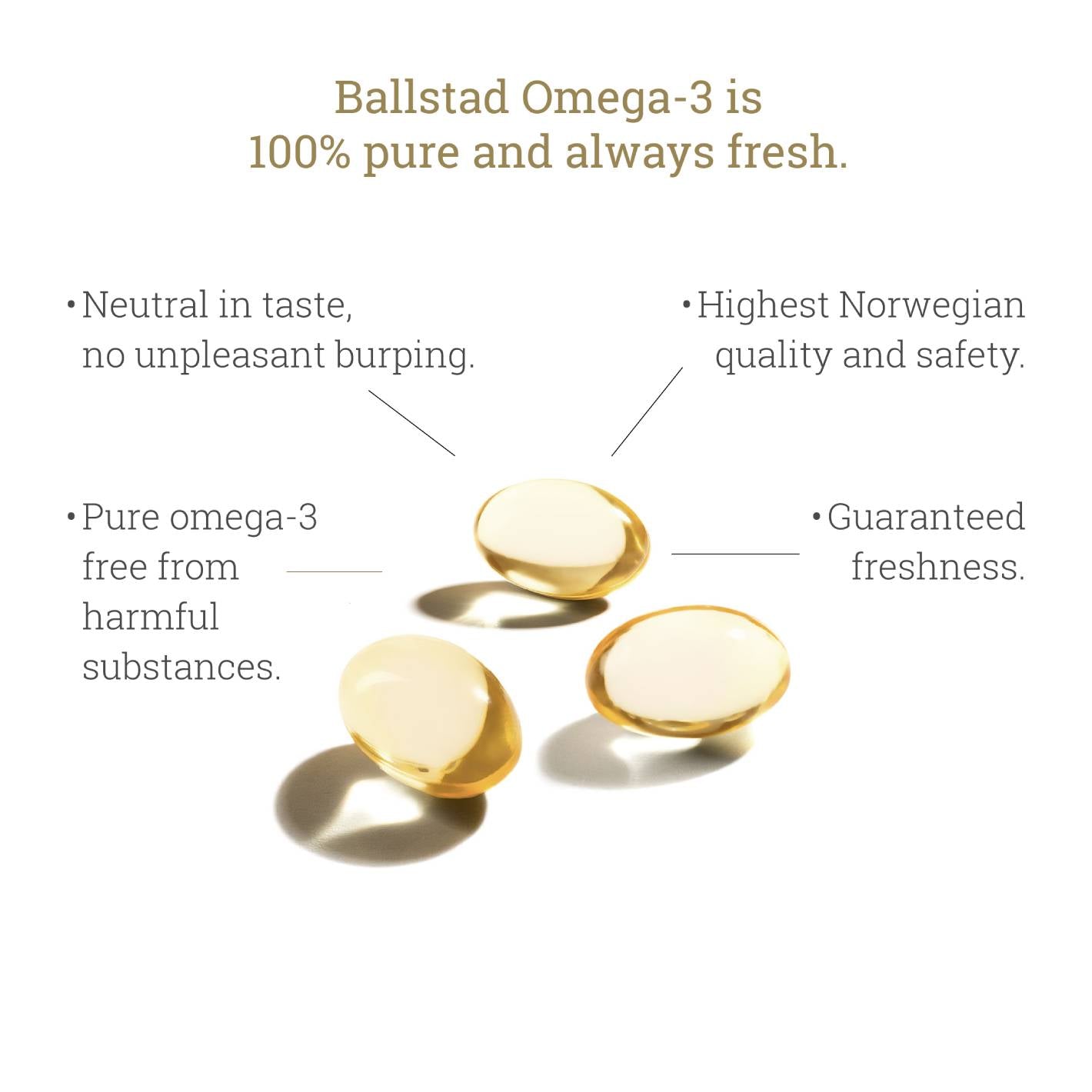
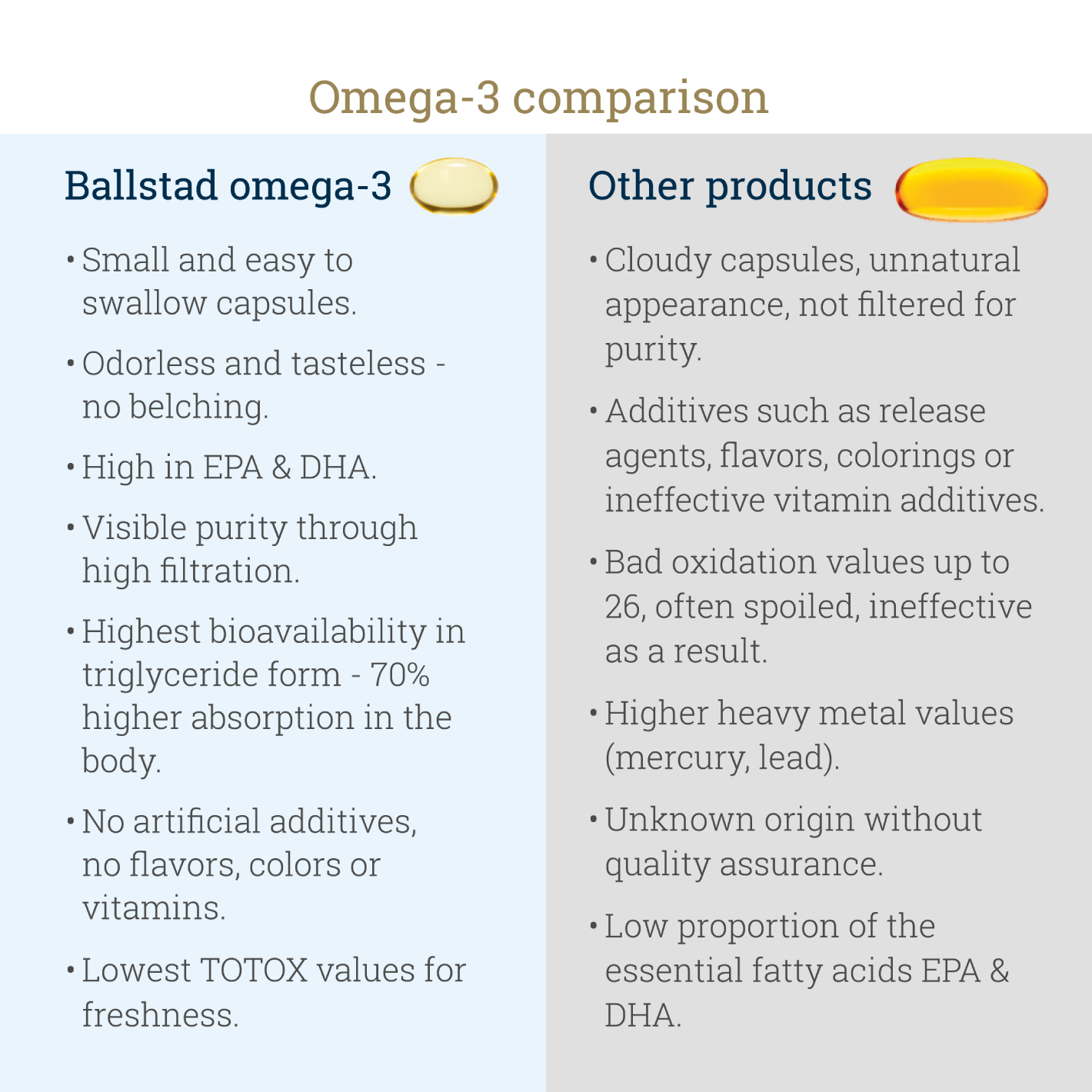
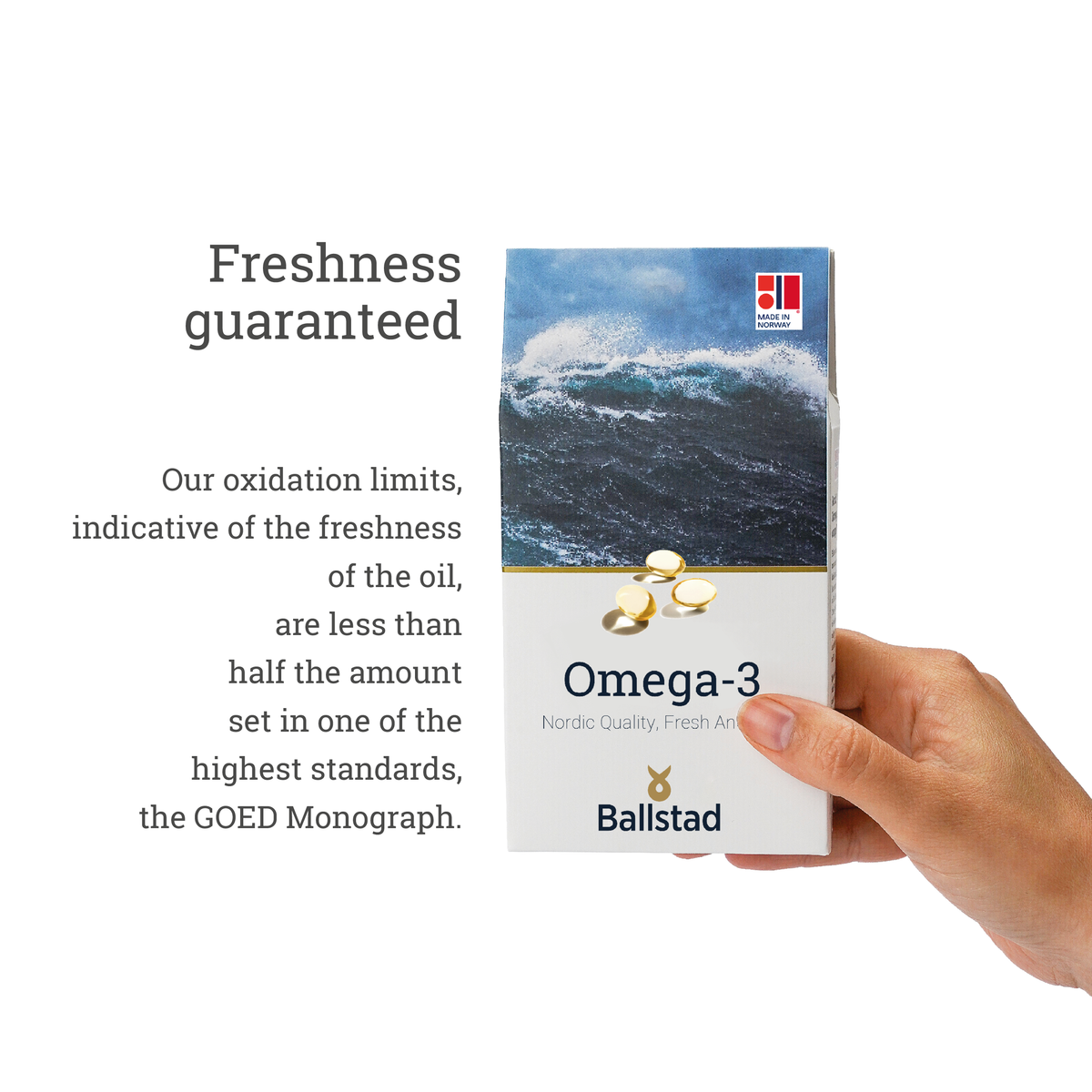
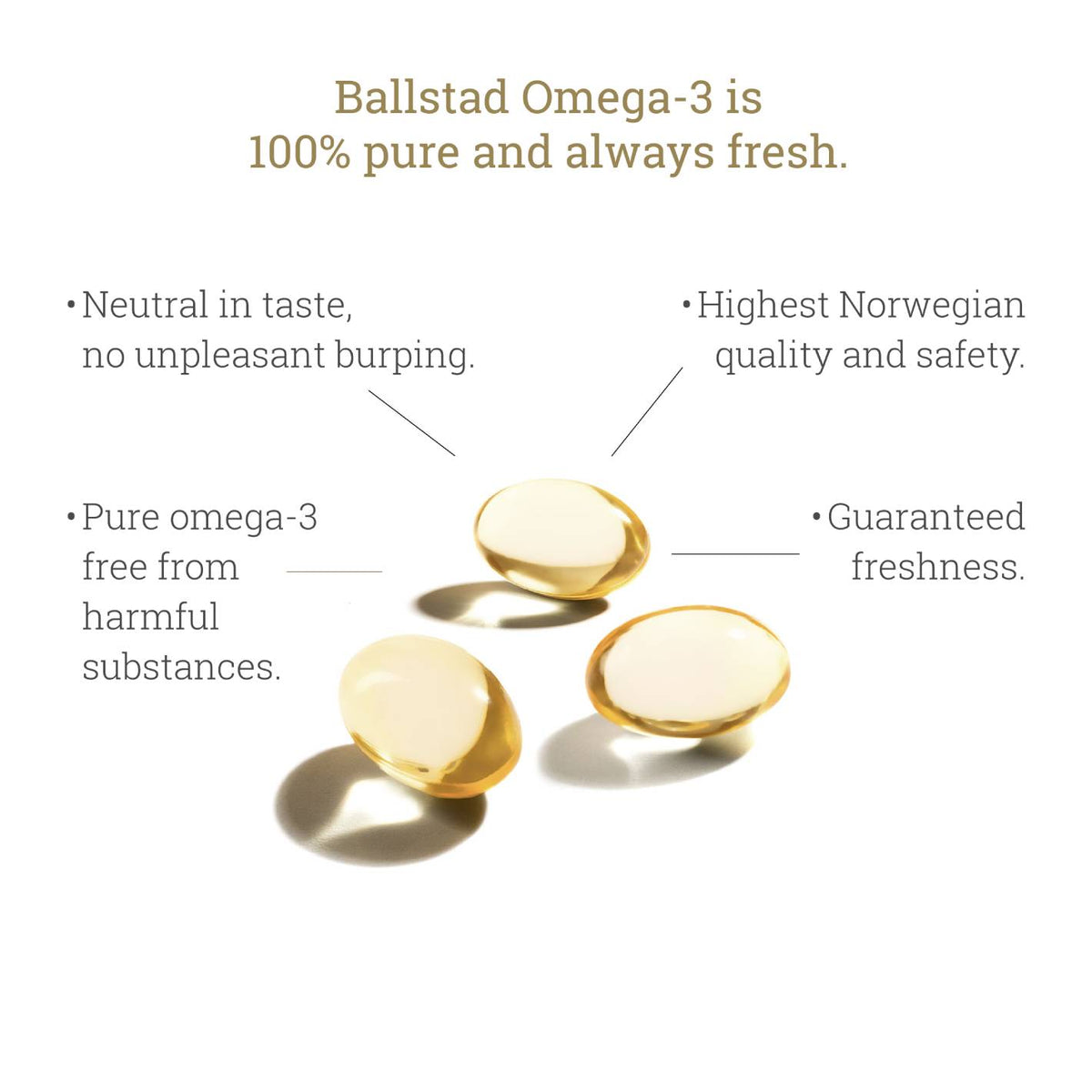
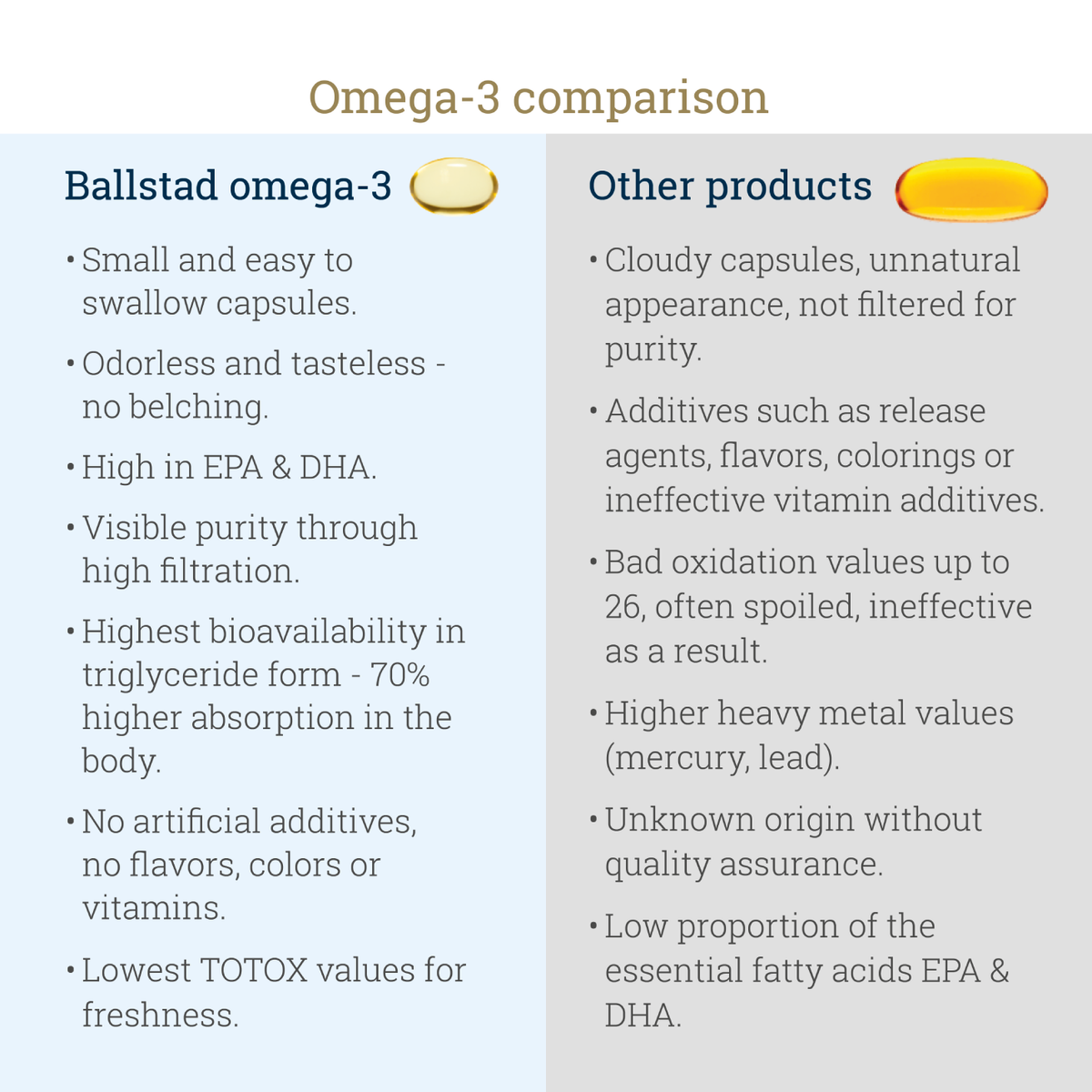
Why? Because omega-3 oils are highly prone to oxidation. Exposure to heat, light, or oxygen can degrade the oil, reducing effectiveness before the capsule is even opened.
Equally important is how omega-3 is used:
● Too low a dose
● Inconsistent intake
● Taking it without meals (reducing absorption)
● Expecting immediate results
Omega-3 doesn’t act like a stimulant. It works gradually by integrating into cell membranes over time — a process that takes weeks, not days.
Freshness, dosage, and consistency determine whether omega-3 becomes a meaningful nutritional tool or just another supplement on the shelf.
Omega-3 and Workout Performance: What the Clinical Evidence Shows
Omega-3 is often discussed in the context of heart and joint health — but we have some great news! Clinical research shows it also plays a role in exercise performance and recovery.
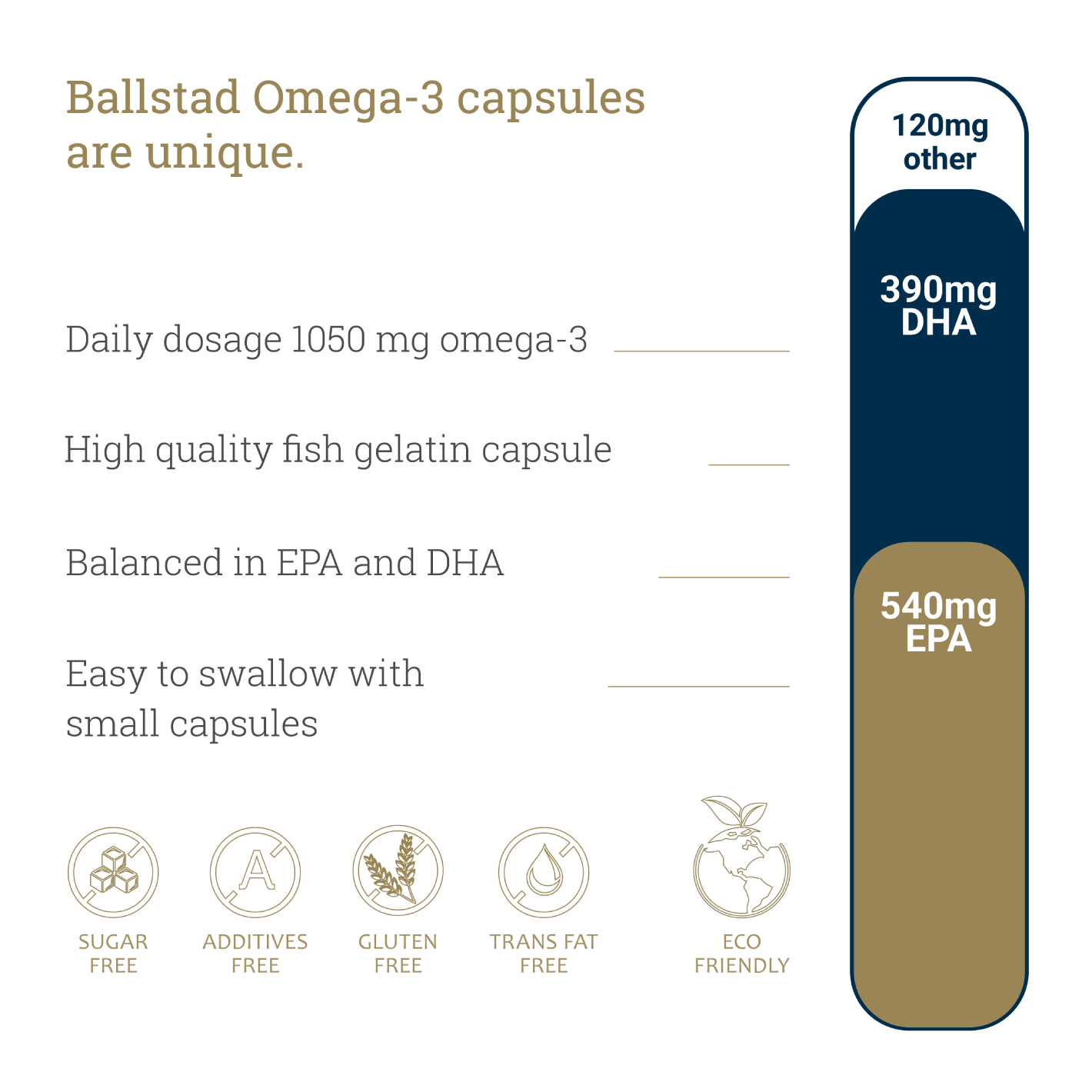
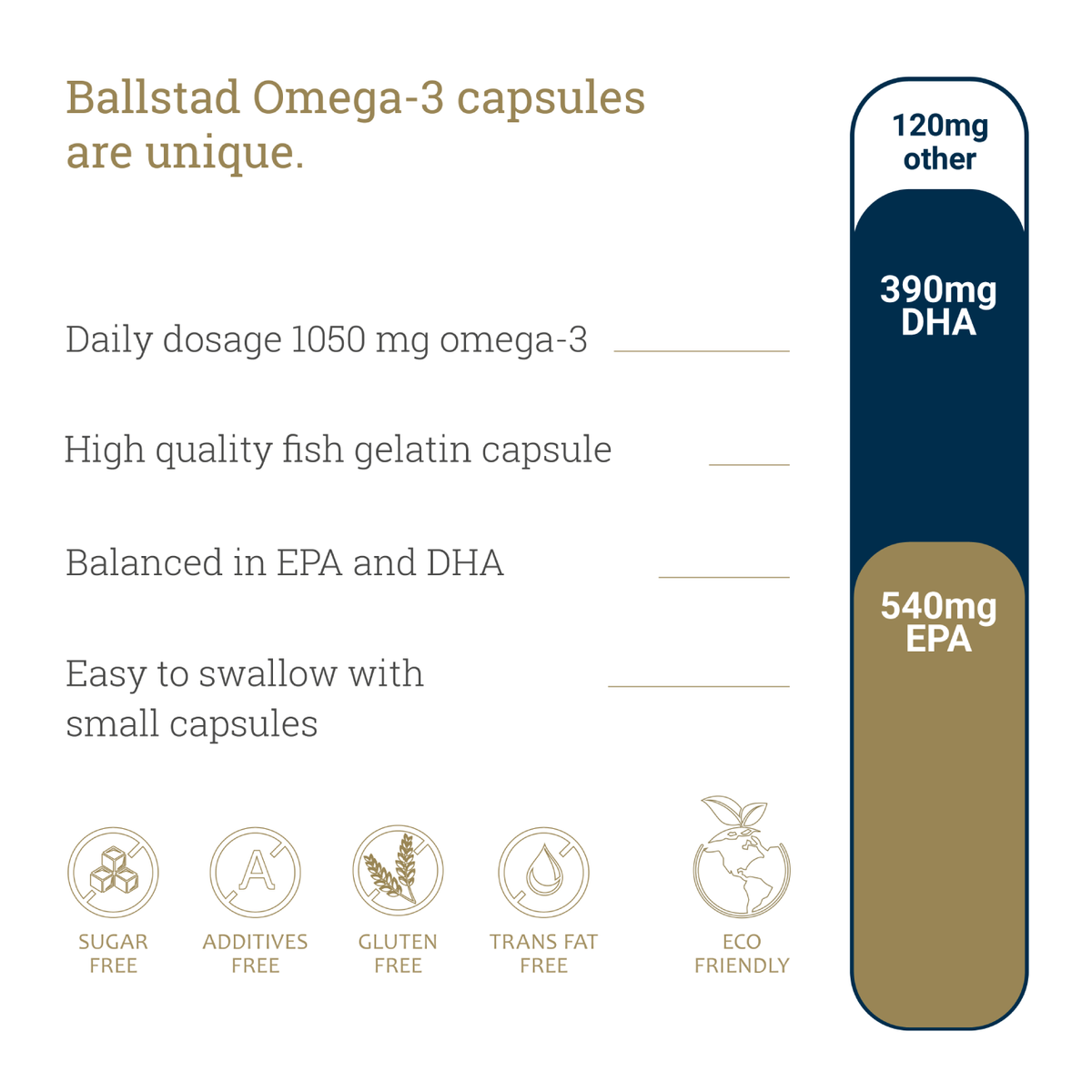
A 2025 randomized controlled trial executed in one of the most established universities in Turkey and published in Nutrients examined the effects of omega-3 supplementation combined with structured resistance training in physically active adults. All participants followed the same eight-week strength training program. One group additionally consumed 3150 mg of omega-3 per day (EPA + DHA), provided as Ballstad Omega-3, while the control group trained without supplementation.
The results were clear. Compared with training alone, the omega-3 group achieved greater improvements in maximal strength, explosive power, sprint speed, agility, and reactive strength. These findings suggest omega-3 doesn’t replace training — it helps the body adapt more efficiently to it.
Just as importantly, the omega-3 group showed significant reductions in exercise-related inflammatory markers and improvements in antioxidant status. Increases in neuro-biomarkers such as BDNF, dopamine, and serotonin were also observed — factors linked to coordination, motor control, and reaction speed.
When omega-3 is fresh, adequately dosed, and used consistently, it can support recovery and meaningful performance gains.
Omega-3 and Heart Health: Separating Facts from Fiction
Omega-3 and heart health have been discussed for decades — often with confusing or contradictory headlines. The facts are more nuanced.
Omega-3 fatty acids:
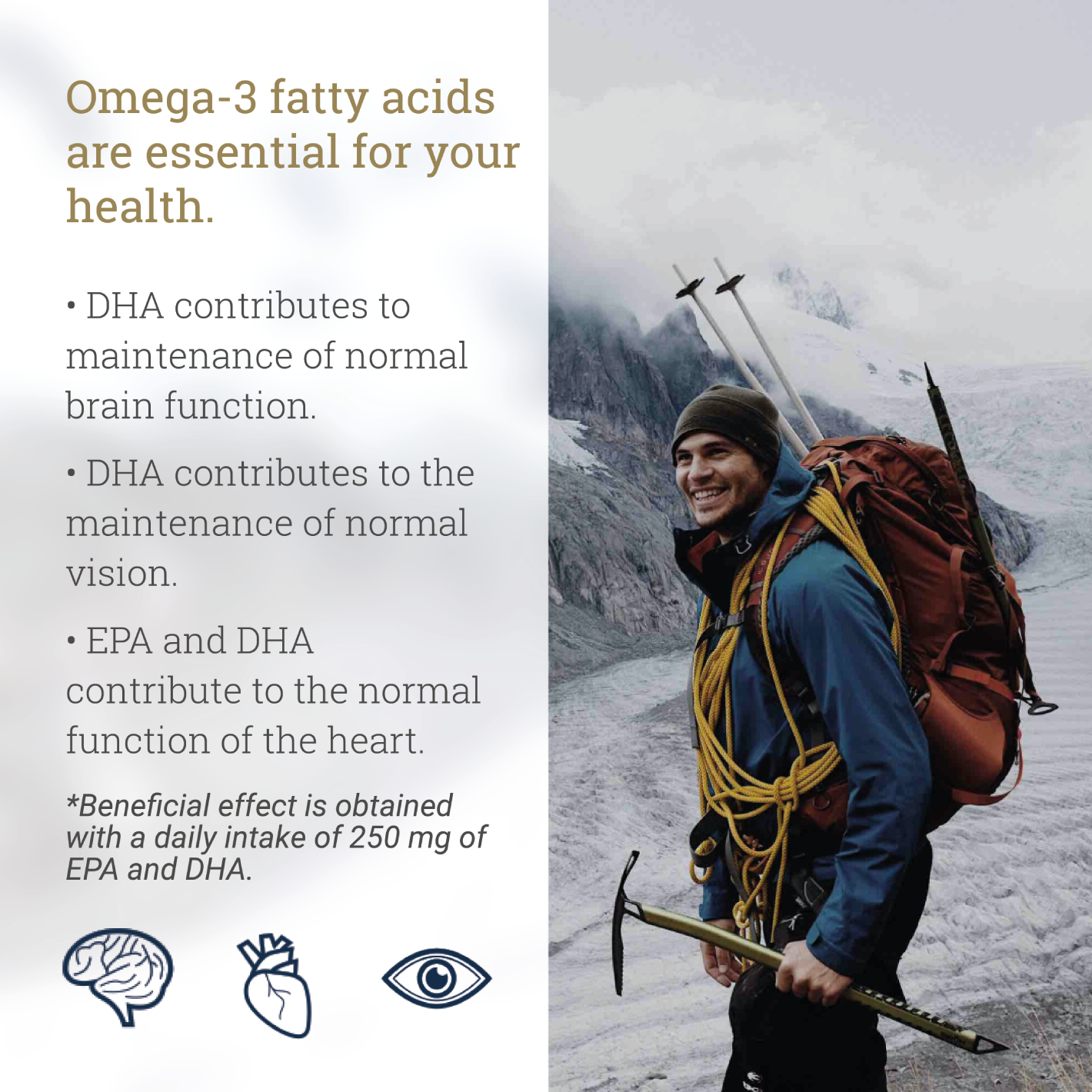
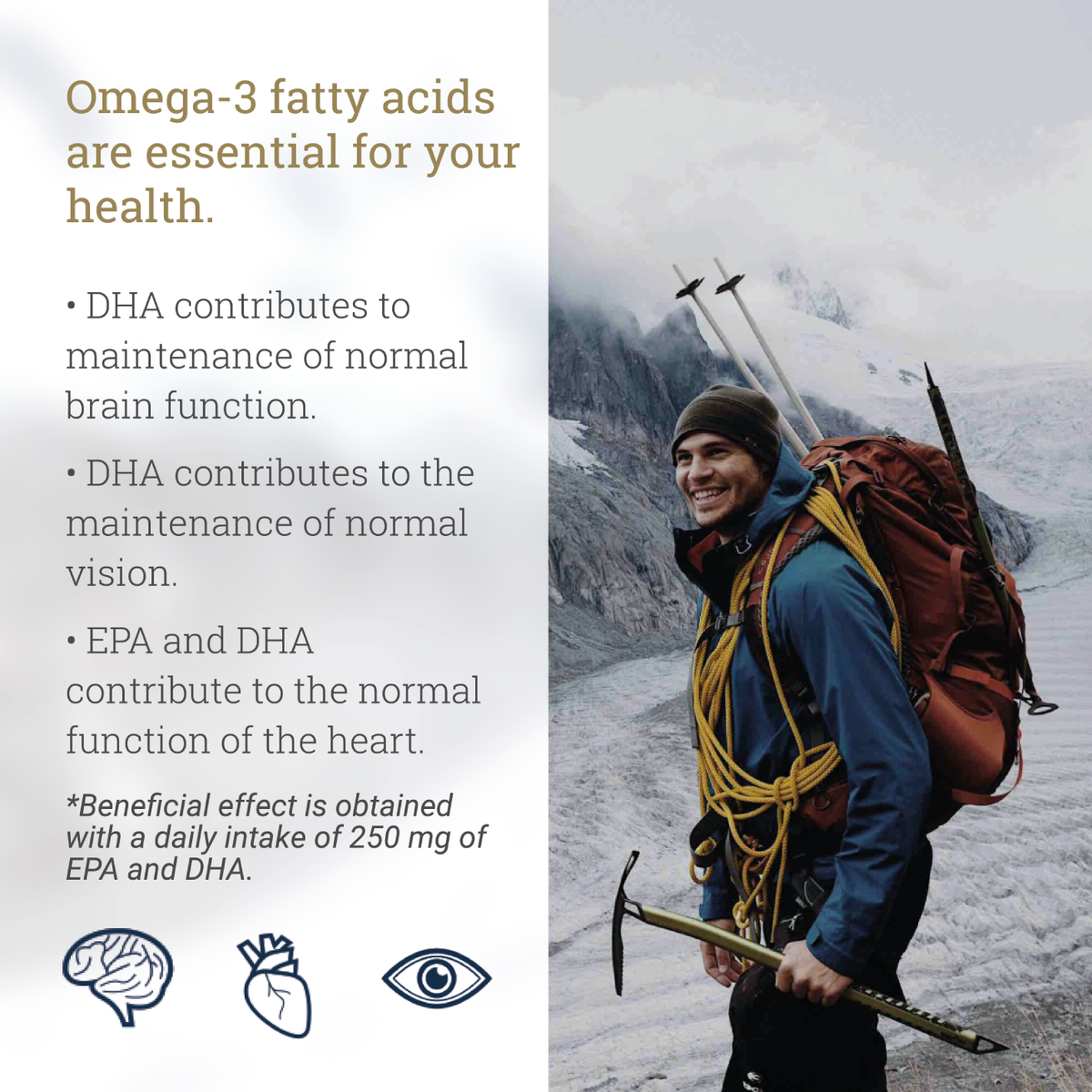
● Contribute to the normal function of the heart
● Help maintain healthy triglyceride levels (at sufficient intake)
● Support normal blood vessel function
However, omega-3 is not a quick fix. Benefits depend on dose, duration, and overall lifestyle. Studies that show weak or inconsistent effects often involve low doses, short durations, or oxidized products.
When omega-3 is used properly and consistently, evidence supports its role as part of a heart-healthy lifestyle — not a miracle pill, but a foundational nutrient.
One Nutrient, Many Signals
Joint stiffness. Training adaptation. Cardiovascular health. These aren’t isolated systems — they’re connected through cellular health and inflammation balance.
Omega-3 works quietly in the background, influencing how your body responds to stress, training, and time itself. It doesn’t shout. It whispers.
And when omega-3 is fresh, correctly dosed, and consistently used, your body doesn’t stay silent — it responds.
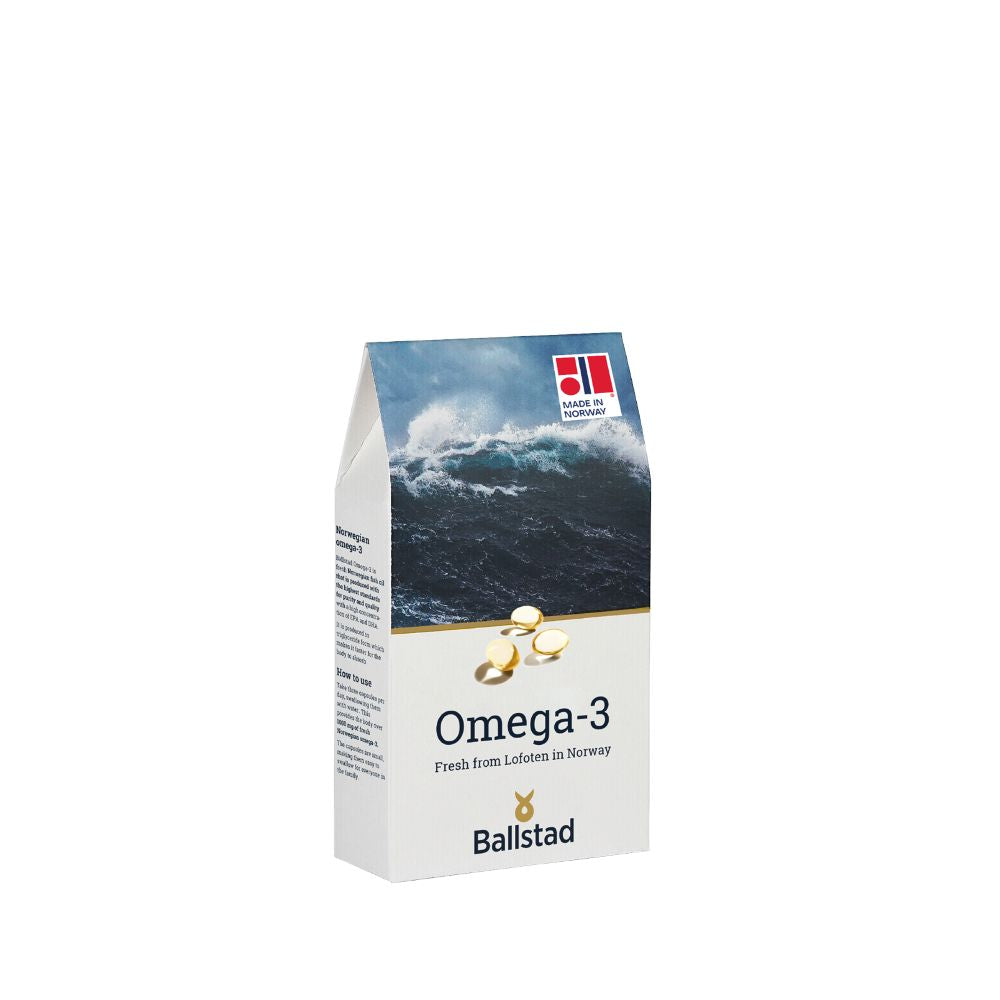
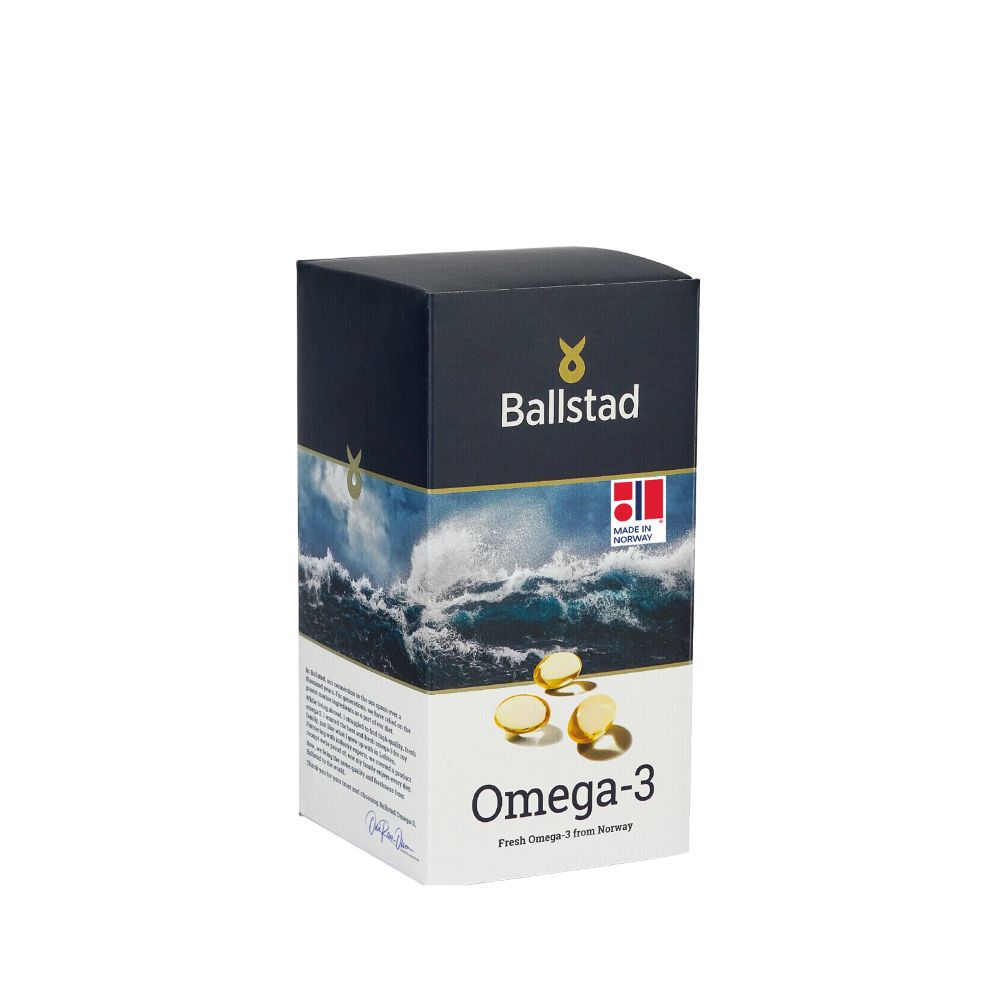
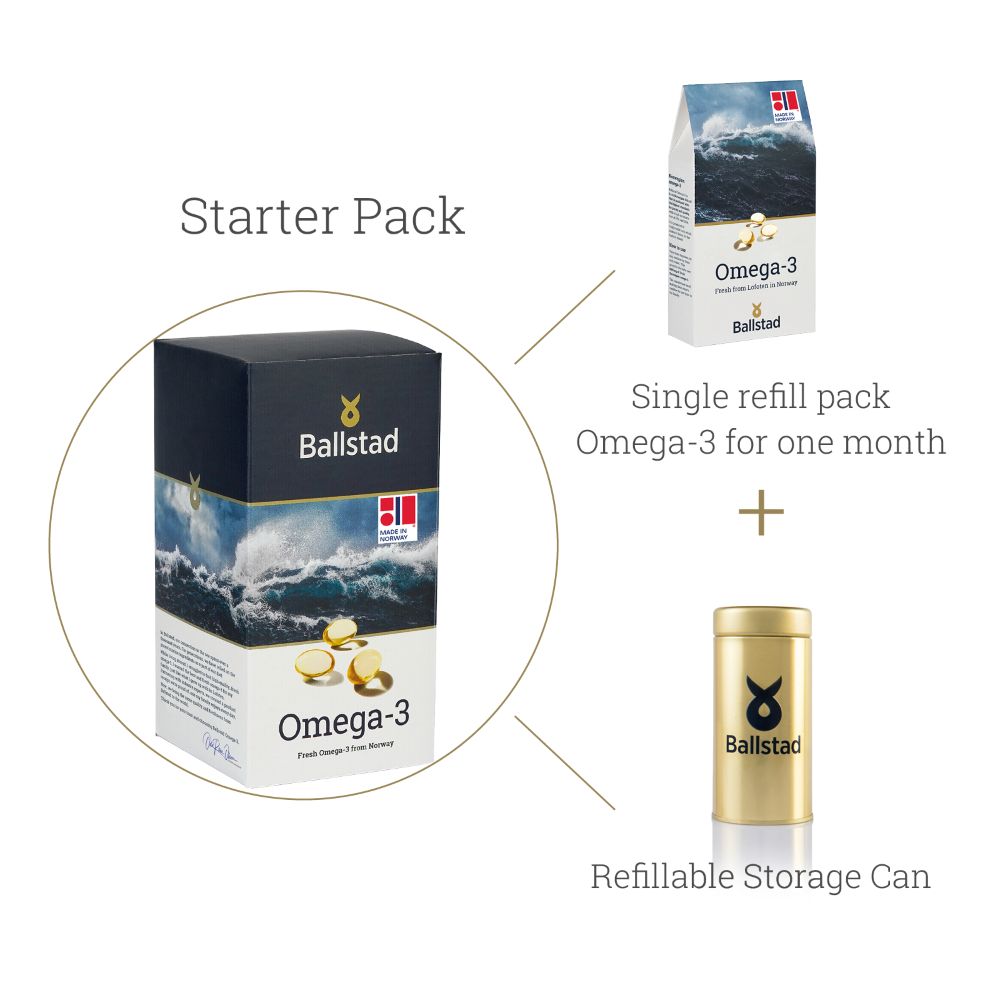





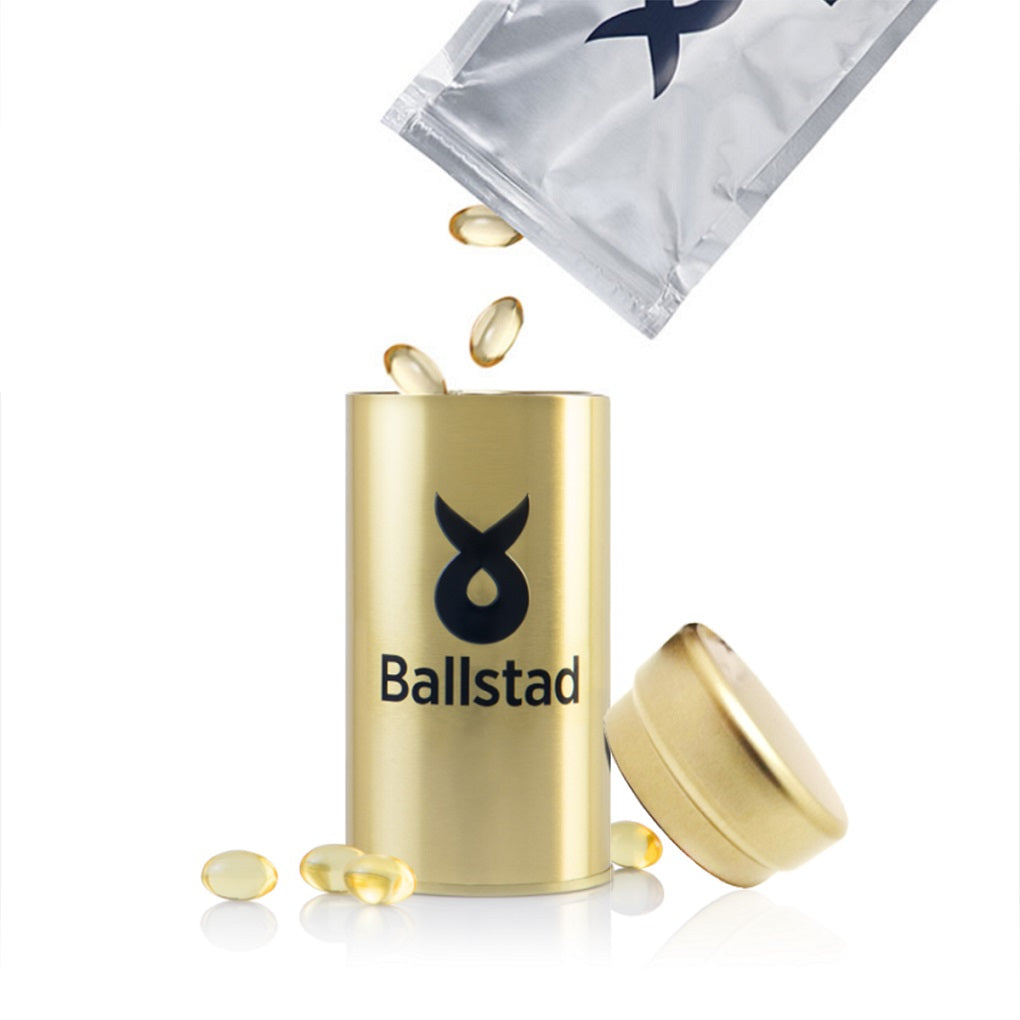
Fresh Norwegian Omega-3 Supplement - 1 Month
- Regular price
-
$74.00 - Regular price
-
- Sale price
-
$74.00








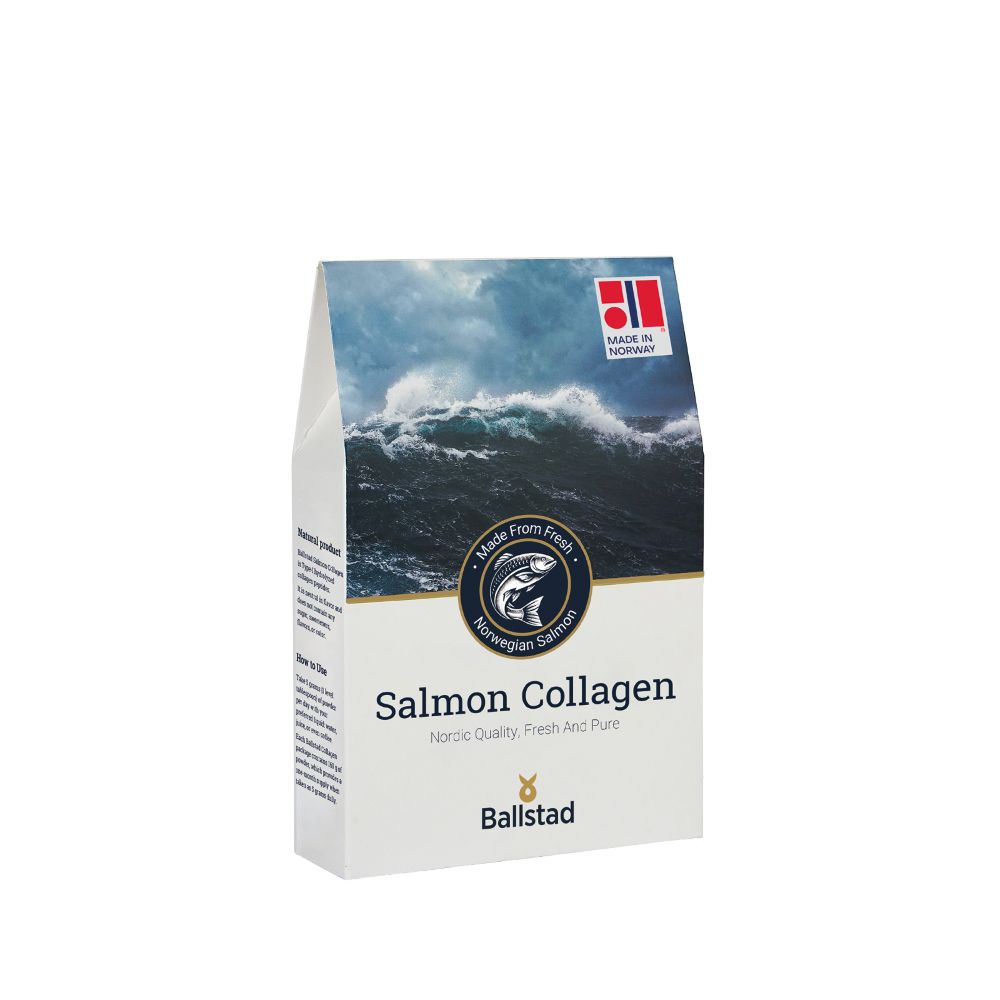
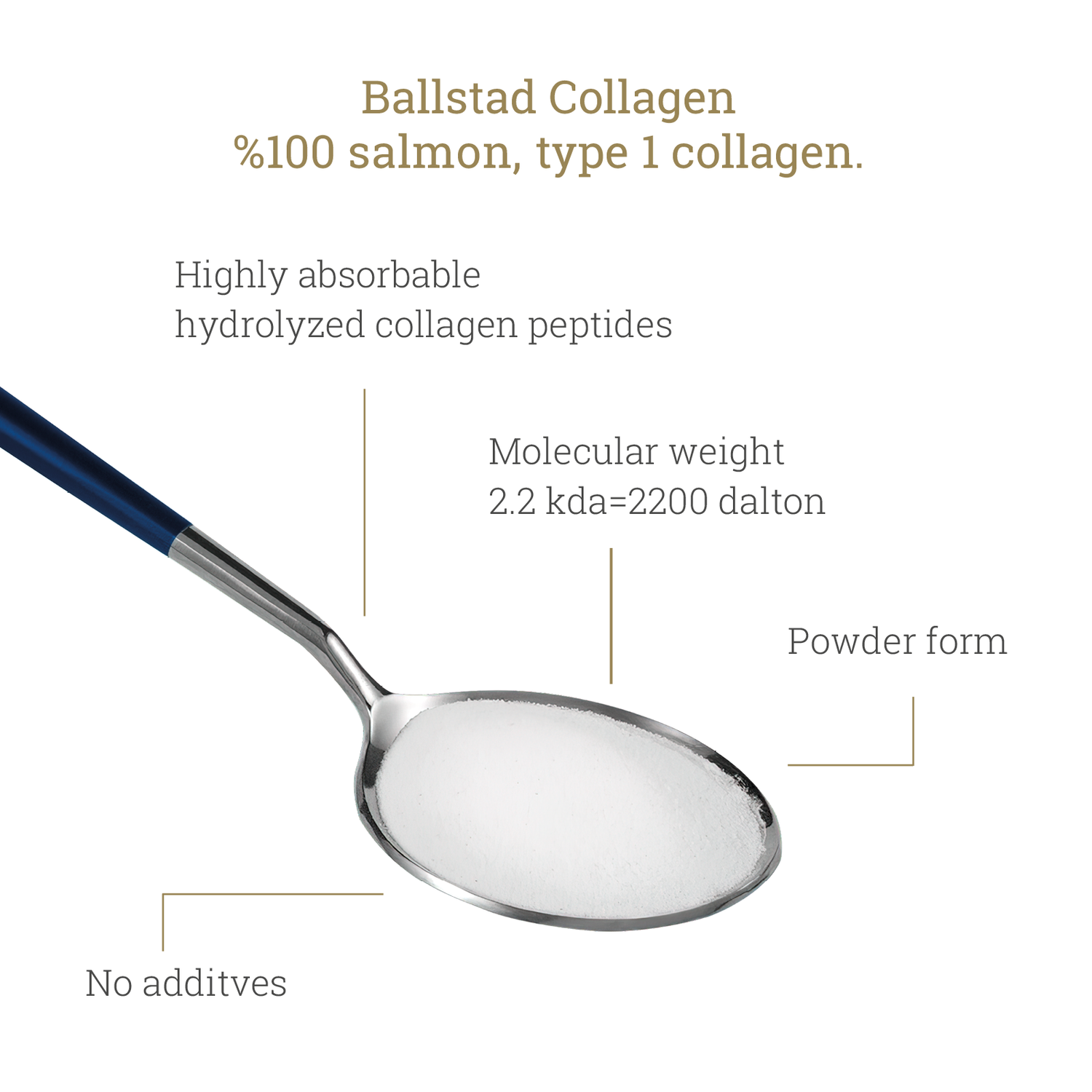
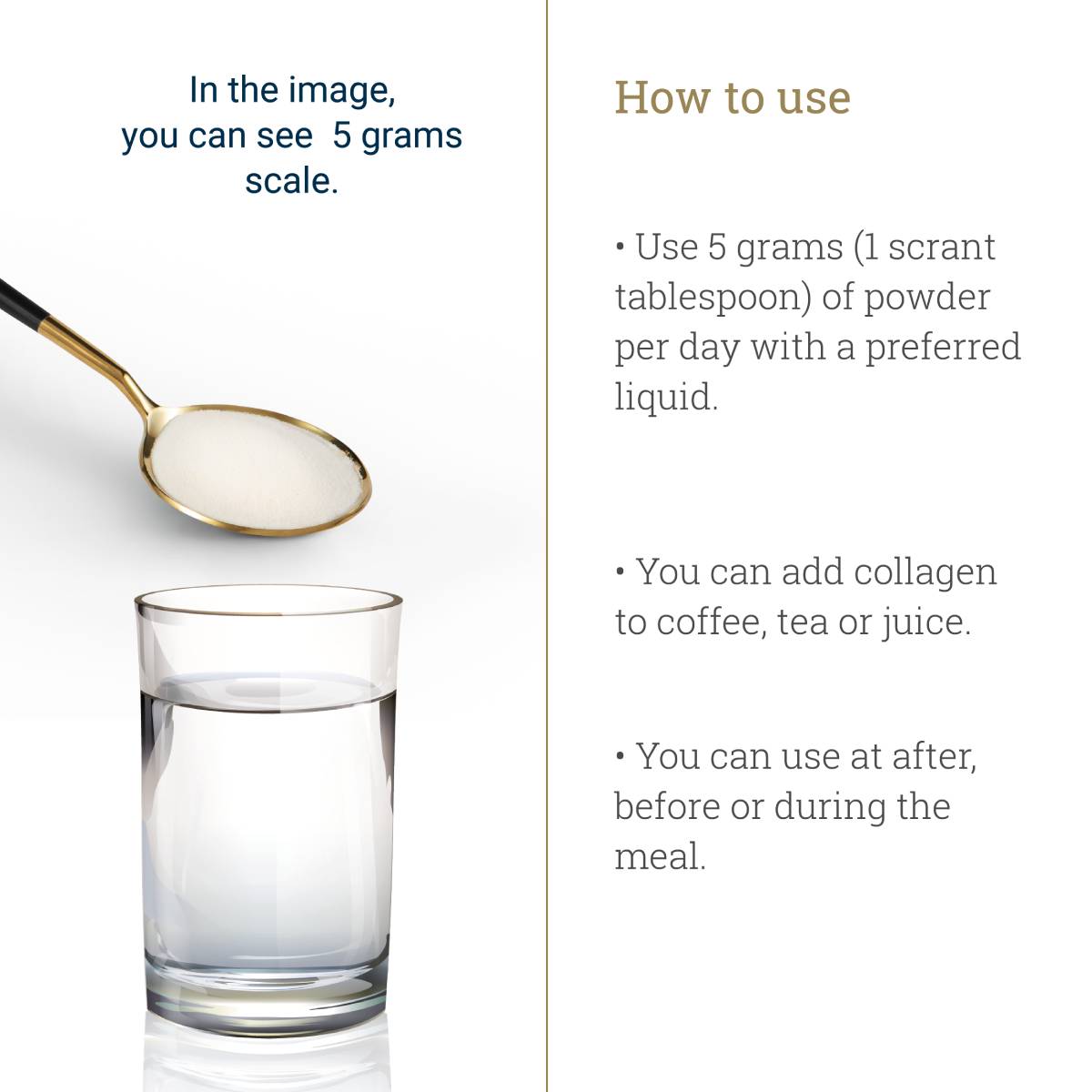




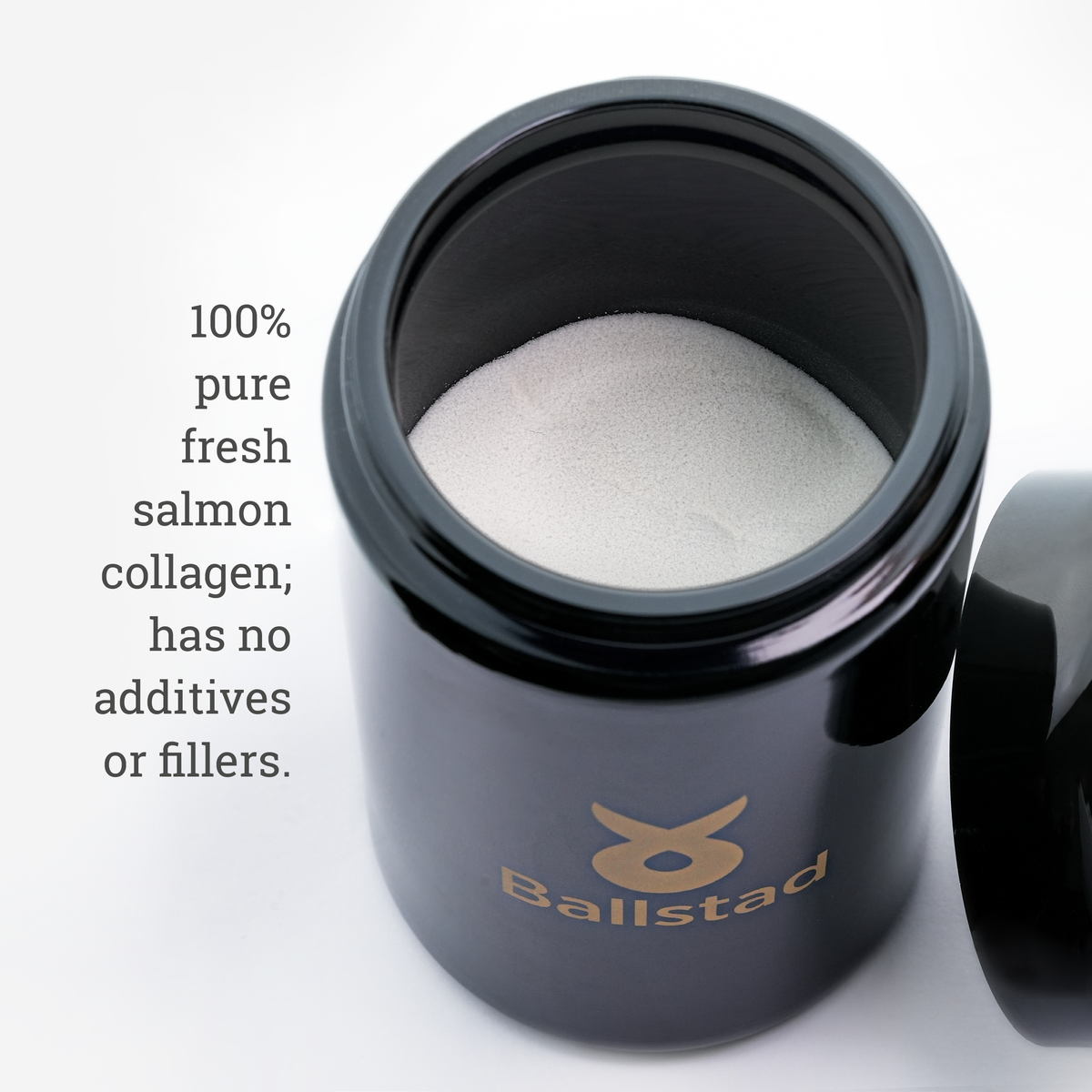
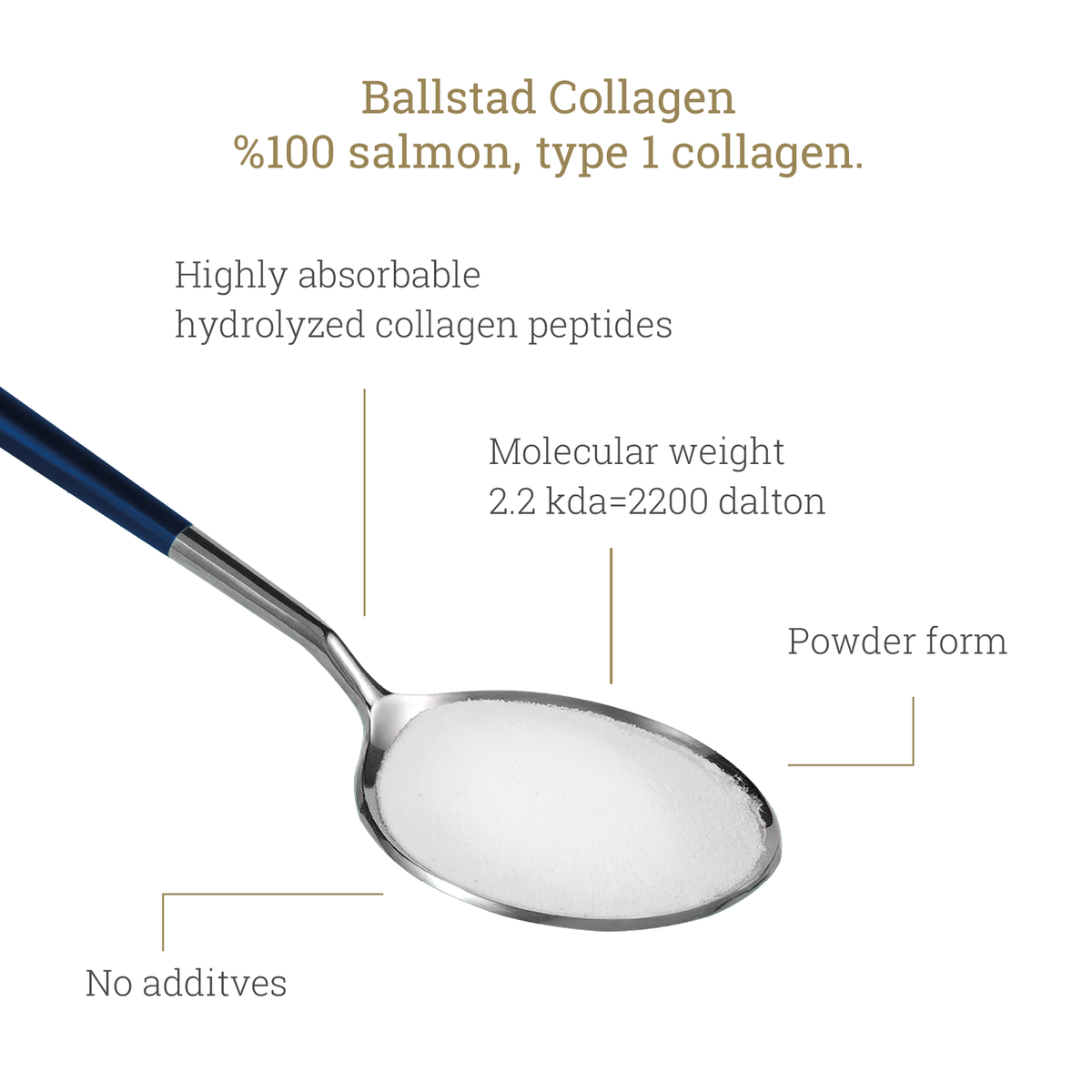
Pure Norwegian Salmon Collagen - 1 Month
- Regular price
-
$173.00 - Regular price
-
- Sale price
-
$173.00



Testimonials


Lisa W.I love my collagen in the morning! It gives me a great start to the day! My skin feels great and plump, my digestion is stimulated, and my overall body feels light and supple.I love everything about it and love drinking it in my freshly squeezed orange juice.
Judith R.I take the capsules once a day (in the morning), tolerate the product well, feel a little fitter and my joint pain (knees) is less.
Claudia B.My skin and my overall well-being have improved so much, I definitely recommend it 🫶
Zhanna A.Simply amazing! My favorite! And the best.
AuthorCanan C.I have been using Ballstad salmon collagen for about 2 years and everyone around me has noticed the change in my skin. It really nourishes my skin. Thank you Ballstad.
Füsun E.I confidently recommend and have people around me use the Ballstad Omega 3 product, which I have been using for 1.5 years with Norwegian Quality and Reliability. Trust and Quality are very important…