Omega-3 and Sperm Structure
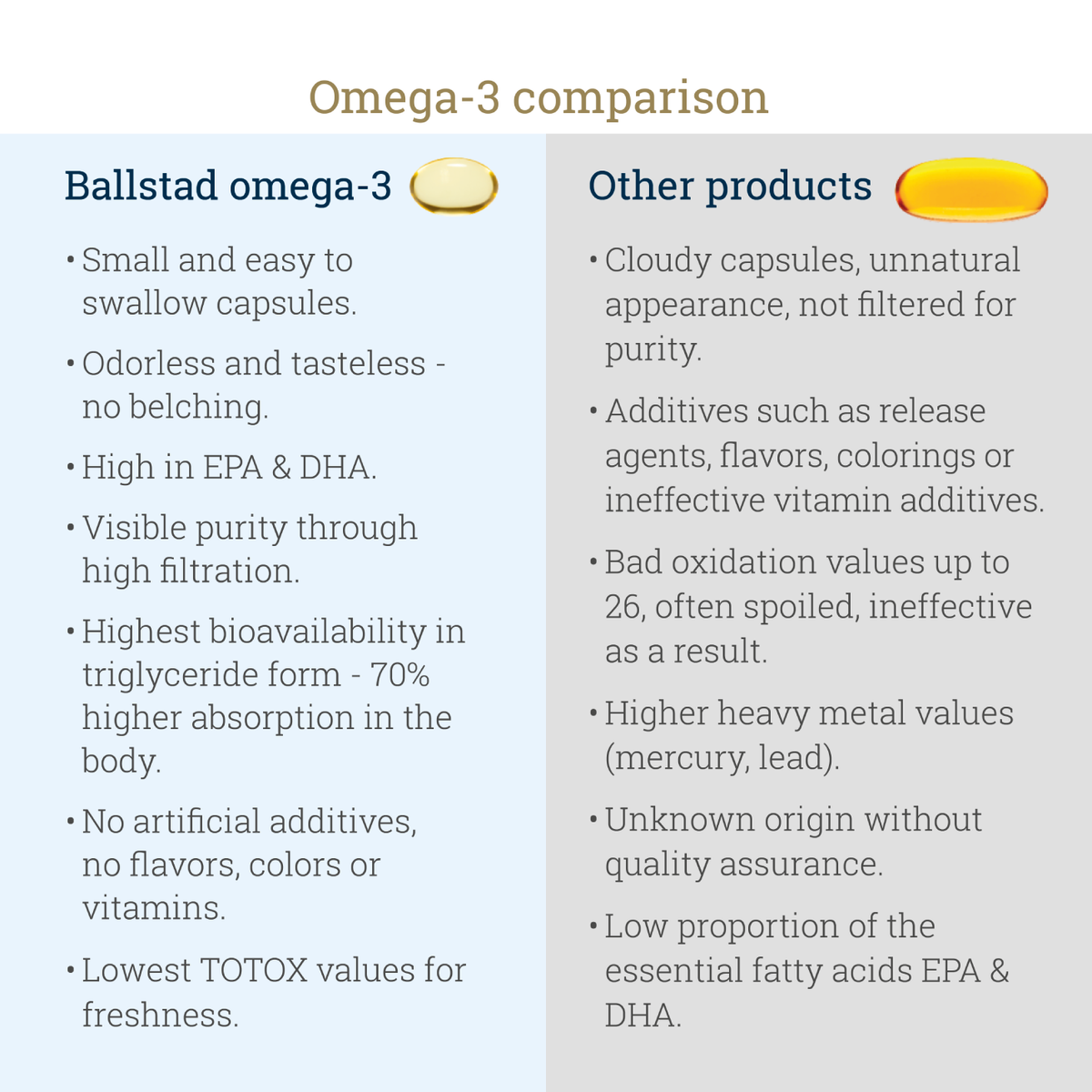
Sperm cells are rich in polyunsaturated fatty acids (PUFAs). Among these, docosahexaenoic acid (DHA) plays a crucial role as a key structural component of the sperm cell membrane. DHA helps maintain membrane flexibility, which is essential for proper sperm motility.
Research has shown that men with reduced sperm motility often have lower DHA levels in both sperm cells and seminal fluid. This suggests that adequate Omega-3 intake may help support optimal sperm function.
What Does the Research Say?
In recent years, clinical trials and systematic reviews have highlighted a meaningful relationship between Omega-3 intake and sperm quality.
In one randomized controlled trial, male participants were given 1,000 mg of Omega-3 daily for three months, and their semen parameters were evaluated before and after supplementation. The findings showed:
-
A significant improvement in sperm motility
-
No notable changes in sperm count, volume, or morphology
Other studies report similar outcomes. Particularly in longer-duration or higher-dose interventions, oOmega-3 supplementation has been associated with:
-
Improved sperm motility
-
Potential increases in sperm count
-
Enhanced antioxidant capacity in seminal plasma
Additionally, some experimental studies suggest that Omega-3 intake may influence testosterone and luteinizing hormone (LH) levels, which could indirectly support sperm production.

Possible Mechanisms of Action
Omega-3 fatty acids may support sperm health through several biological pathways:
-
Enhancing membrane fluidity, facilitating better sperm movement
-
Reducing oxidative stress, which can damage sperm cells
-
Supporting hormone production
-
Improving the lipid composition of the sperm cell membrane
Together, these effects contribute to both the structural integrity and functional performance of sperm cells.
Supporting Sperm Health in Daily Life
Omega-3 is not a standalone solution. Sperm health is influenced by a combination of dietary, lifestyle, and environmental factors. Research highlights the importance of:
-
Consuming fatty fish 2–3 times per week
-
Eating a diet rich in antioxidant-containing fruits and vegetables
-
Avoiding smoking and excessive alcohol intake
-
Engaging in regular physical activity
-
Maintaining a healthy body weight
-
Minimizing heat exposure (e.g., avoid frequent sauna usageor hot baths)
Conclusion
Current scientific evidence suggests that Omega-3 fatty acids have the potential to improve sperm motility. However, sperm health is multifactorial, and nutrition should be considered alongside broader lifestyle habits.
When combined with healthy living practices, Omega-3 intake emerges as a valuable nutritional strategy for supporting male reproductive health.
Importantly, maintaining sperm health is not only relevant for fertility but is increasingly recognized as a marker of overall male health.
References:
-Yang, X. Y., Wei, S. Q., & Zheng, P. S. (2025). Dietary Fatty Acids as Modulators of Sperm Quality: From Molecular Pathways to Nutritional Interventions. Journal of Dietary Supplements, 22(6), 870–886.
https://doi.org/10.1080/19390211.2025.2539882
-Soleimani, B., Taziki, N., & Aslzare, M. (2025). The Impact of Omega-3 Supplementation on Semen Profile of Men Experiencing Infertility. Translational Research in Urology, 7(4), 189–195.